LAOS – Houaphan – A Night in a Nest 2D1N
A rewarding 2D1N trek to the hanging nests in the protected core zone of the Nam Et Phou Louey National park, home to the last of Laos’ tigers.
Theme
Sustainable
Country - City
Laos - Houaphan
Level of difficulties
LEVEL 2
Price level
$$$$
Seasonality
October to June
Max number of person(s)
8
Market segment
Thematic Leisure
Arrival City
Muang Hiem (Houaphanh Province)
Departure city
Muang Hiem (Houaphanh Province)
Number day and night
2 days - 1 night
Day by day description
Day 1: Hike to the camp and wildlife observation tower.
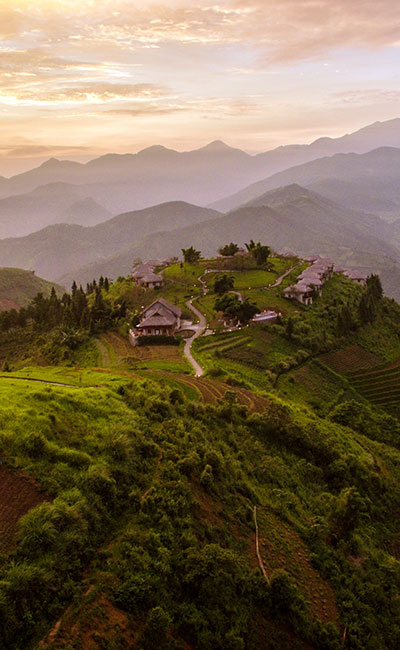
This morning your guide will take you to the national park’s headquarters for a presentation of the park and the on-the-ground efforts in protecting the wildlife. Then, you’ll travel by car along a curvy road through gorgeous mountainous landscapes before arriving at an ethnic Khmu Village. The guide, porters, and cooks will be waiting to greet you. From here, travel 5 kilometers by tok-tok to the edge of the forest. This is a good opportunity to see the village life and briefly learn about Khmu culture and rice cultivation. At the edge of the forest the guide will explain the different management zones of the park before leading you into the National Park’s most protected area – the core zone. The trek will follow a trail through thick jungle and mixed deciduous forest. When you are hungry you can stop for a local picnic lunch before continuing the trek. Along the way, the guide will point out medicinal plants, animal tracks, and birds. After around 4 hours trekking, you’ll arrive at the campsite and be shown to your curious accommodation – the hanging spherical “Nests”. Enjoy some free time to relax and bathe in the nearby river before moving close to the campfire to enjoy a traditional Khmu dinner prepared by the villagers. After dinner, you’ll receive a briefing about wildlife viewing at the salt lick and the species of animals that you might see. Stay at the observation tower for a few hours and if you’re lucky you might see some common animals such as Sambar and barking deer as well as various species of civets. If you’re really lucky, you may also see bears, dhole, and several species of wild cats.
Meals included: lunch, dinner
Accommodation: overnight in the nests
Hiking level: 2
Distance & duration of tractor transfer: about 5 kilometers / 1 hour
Distance & duration of hiking: about 7.5 kilometers / 4 hours
Total accumulated ascent/descent: +460m / -420m
Terrain: jungle trails with slopes averaging around 10%
Notes: Guests should wear appropriate hiking boots. Trekking poles are highly recommended. Guests should make sure they have some warm clothes as it can be chilly at night and in the early-morning.
Day 2: Gibbon calls and hiking out of the National Park.
Wake up early, just before sunrise, and follow your guide to the top of a small hill where hopefully you’ll be lucky enough to hear the calls of the critically endangered Northern White Cheeked Gibbons. Enjoy the sunrise from a small viewpoint platform in a tree before heading back towards the camp to check the camera traps. As you eat breakfast you can view the photos taken by the camera trap during the previous night. Twelve surrounding villages involved in this project receive financial bonuses in the form of a village development fund based on the number and type of wildlife seen, or the evidence of their presence found, during the trek. This is one of the ways the National park works to stop the locals hunting the endangered wildlife. After breakfast, trek back through the forest to the village’s fields, and enjoy a farmer’s picnic lunch before riding the tok-tok back to the village. Arrive in the village in early afternoon. When you arrive back in the village the villagers will say their goodbyes and you’ll travel back to Muang Hiem by car.
Meals included: Breakfast, lunch
Accommodation: Guesthouse in Muang Hiem
Hiking level: 2
Distance & duration of hiking: about 7.5 kilometers / 4 hours
Total accumulated ascent/descent: +420m / -460m
Terrain: jungle trails with slopes averaging around 10%
Selling points
- An eco-tour providing travelers the opportunity to view rare wildlife in on of the most beautiful natural areas of the country. This is a journey for people who have a huge respect for nature and will value the passion that the local people have for saving their tigers and other animals.
- A sustainable activity designed to support alternative livelihoods for local people and generate community support for wildlife conservation. The villagers receive a cash bonus for every animal spotted, and they freely share their knowledge of wildlife behavior, medicinal plants, traditional agriculture, and history.
- The multi-day treks in Nam Et-Phou Louey are some of the best in the country and are a must do for any active traveler looking to really get off the beaten track.
- An adventurous activity at a moderate level with an unforgettable overnight stay in the hanging nests of the core zone of Nam Et-Phou Louey National Protected Area.
- The Nests 2D/1N is the shortest and easiest of the many multi-day treks offered by the national park.
Level Of The Excursion
High – This activity strongly supports local communities and/or helps preserve the culture and environment
The Impact Of This Excursion
Social/cultural Impact
Empowerment and education
Involving minorities
Community welfare and health
Environment Impact
Involving Wildlife
National parks
Economic Impact
Community benefits
Additional Information
- Wildlife Conservation: The tour supports the protection of endangered species, such as the Northern White Cheeked Gibbons, by funding conservation efforts and raising awareness among visitors. Activities like checking camera traps help monitor and protect local wildlife.
- Community Support: By engaging with local communities, such as the Khmu Village, and using local guides, porters, and cooks, the tour provides sustainable income for the residents. This economic support helps improve living standards and encourages the preservation of cultural traditions.
Selling points
- Possibility for private tour or private accommodation (extra cost) upon request and negotiation with the supplier.
- Possibility to bring Easia guide (extra cost) upon request and negotiation with the supplier.
- Muang Hiem is an ideal location to break up a journey north from Nong Khiaw to Sam Nuea, Vieng Xai and the Vietnamese border or south toward Phonsavan and the Plain of Jars (or vice-versa).
- Can be combined with a short visit to the Muang Hiem Hotsprings the day after finishing the activity.
- Requires 1 night in Muang Hiem on the day before.
Pros
- Easy to arrange for groups of up to 10 pax with the online booking form where we can see the availability and fill in the details to make the reservation.
- Not at all touristy – clients will most likely not see another tourist for days on end.
- The supplier’s guides are very knowledgeable. For English-speaking clients it is not necessary for our DMC guide to join.
Cons
- Limited quality accommodation and restaurants in Muang Hiem.
- We cannot guarantee the spotting of wild animals. Client should not expect to spot any tigers because there are few and they’re very secretive. Some animals may be seen only via camera traps.
- This activity involves long road journeys to a remote part of Laos.
- It is expensive and we must explain clearly to clients why it costs so much.
- This trek goes and comes back the same way.
- The trek is of moderate difficulty and it is not possible for vehicles to access the trail.
- The supplier’s guides only speak English.
TIME AND TRANSPORTATION
- Duration: 2 days 1 night
- Total Kilometers of Hiking: 15 kilometers
- Total Kilometers: 51 kilometers of hiking and transfers
| From | To | Km | By | Duration | Road condition |
|---|---|---|---|---|---|
| Luang Prabang | Nong Khiaw | 142 | Car | 3h30 – 4 hours | Good, sometimes bumpy |
| Nong Khiaw | Muang Hiem | 166 | Car | 5 hours | Good, sometimes bumpy |
| Muang Hiem | Phonsavan | 203 | Car | 5 hours | Good |
| Muang Hiem | Sam Neua | 151 | Car | 3h30 – 4 hours | Good |
| Sam Neua | Vieng Xai Caves | 30 | Car | 30 minutes | Good |
Notes
- MAP AND ELEVATION PROFILE:
- INFORMATION TO COLLECT FROM CLIENT:
- We must really understand the client & travelers’ needs and expectations.
- Understand the travelers physical level – this is a moderate/difficult trek and only for Active travelers.
- Travelers need to be aware that it is a committing trek that cannot be abandoned half-way through.
- SEASONALITY:
- This activity is not possible in the rainy season (June-September).
- Weather can be both very hot during daytime and very cold at night. It is recommended to bring clothes for both extremes.
- Advise guests to bring the following:
- Small bag (big bag can be left in the village or in the Easia minivan)
- Light rain jacket, warm jacket
- Sun hat, long pants, walking shoes, T-shirt and short for bathing
- Insect repellent, towel and toiletries.
- 2 water bottles (the 1.5L ones are an ideal size)
- OTHER RELEVANT INFORMATION:
- The hiking is long and hard so we recommend taking a minimum amount of personal luggage.
- Clients should be aware that they will get sweaty and smelly and only be able to bathe in rivers.
- There are basic squat toilets available at the camps.
- Clients should be aware that they will sleep on bamboo platforms with no mattress, only blankets and sleeping bags.
- To be done with a trip in provenance from Nong Khiaw or Phonsavan (DO NOT propose the direct travel from LPQ because it is too long).
- It can be visited on the journey to/from the Vietnamese border (Na Meo) near Sam Neua and Vieng Xai in Houaphan Province.
- 1 night needs to be spent in Muang Hiem on the day before.
- Possibility for private tour (extra cost of 1,000,000 kip/per group/per night)
- Possibility to bring travel agent guide (extra cost of 600,000 kip/guide)
- All the National Park guides are first-aid trained.
- For accommodation in Muang Hiem we use “Dork Khoun Thong Guesthouse” and for restaurants we recommend “Sabaidee Nam Khan”
HOW TO INCLUDE IN A PROGRAM:
8D7N LPB/Nong Khiaw/Muang Hiem/Plain of Jars/LPB or Vang Vieng (or vice versa)
- Day 1 Transfer Luang Prabang – Nong Khiaw (+ optional stop at Pak Ou)
- Day 2 Visit Nong Khiaw and Muang Ngoi
- Day 3 Transfer Nong Khiaw – Muang Hiem
- Day 4 2D trekking
- Day 5 2D trekking (+ optional Muang Hiem hot springs)
- Day 6 Transfer Muang Hiem – Phonsavan
- Day 7 Visit Plain of Jars and Muang Khoun (+ optional time filler museums)
- Day 8 Transfer Phonsavan – Luang Prabang or Vang Vieng
7D6N LPB/Nong Khiaw/Muang Hiem/Sam Neua/Na Meo (or vice versa)
- Day 1 Transfer Luang Prabang – Nong Khiaw (+ optional stop at Pak Ou)
- Day 2 Visit Nong Khiaw and Muang Ngoi
- Day 3 Transfer Nong Khiaw – Muang Hiem
- Day 4 2D trekking
- Day 5 2D trekking (+ optional Muang Hiem hot springs)
- Day 6 Transfer Muang Hiem – Sam Neua
- Day 7 Visit Vieng Xai Caves and transfer to Na Meo border
3D2N Nong Khiaw Visit + 4D3N Muang Hiem Extension
- Day 1 Transfer Luang Prabang – Nong Khiaw (+ optional stop at Pak Ou)
- Day 2 Visit Nong Khiaw and Muang Ngoi
- Day 3 Transfer Nong Khiaw – Muang Hiem
- Day 4 2D trekking
- Day 5 2D trekking (+ optional Muang Hiem hot springs)
- Day 6 Transfer Muang Hiem – Nong Khiaw
- Day 7 Transfer Nong Khiaw – Luang Prabang
Number of PAX
8
Tariff conditions
- Payment for groups of 1-2 pax: The supplier will send an invoice after the tour and request payment be made within 7 days. They do this because the price of the activity depends on the final number of guests who join (for the join-in option).
- Payment for groups of 3 pax or more: We have to pay in advance by doing a bank transfer and sending the bank transfer receipt as proof of payment (scanned/photo) to info@namet.org before the tour.
- Name: WILDLIFE CONSERVATION SOCIETY
Bank account name: 010110000477427001
Bank: BANQUE POUR LE COMMERCE EXTERIEUR LAO PUBLIC
Swift Code: COEBLALA
- Name: WILDLIFE CONSERVATION SOCIETY
- Confirmation, Cancellation and Refunds:
- CONFIRM: The booking must be confirmed 24 hours before the tour by email (info@namet.org) or by calling to +856 20 2860 0038. If the tour is not confirmed, it will be considered as cancelled.
- CHANGE OR CANCEL: If we need to change or cancel the tour, we need to inform the supplier at least 48 hours before the tour start.
- REFUND: We will receive a full refund minus bank transfer fees for tours canceled more than 48 hours before the tour start. For late cancellations less than 48 hours before the tour start, the cancellation fee is 20% of the tour cost.
Supplement
- Possibility for private tour.
- Possibility to bring travel agent guide.
Important notes
- AVAILABILITY: You can inquire about the availability and send the reservation by filling in the form with all the details here
- BOOKING: The supplier will reply to your email to confirm the reservation.
- CONFIRM: The booking must be confirmed 24 hours before the tour by email (info@namet.org) or by calling to +856 20 2860 0038. If the tour is not confirmed, it will be considered as cancelled.
- CHANGE OR CANCEL: If we need to change or cancel the tour, we need to inform the supplier at least 48 hours before the tour start.
- IMPORTANT: Please remind the supplier when confirming the booking if our guide will join and also if our clients will do a private tour.
- The supplier’s name for this activity is: “N-2D” – 2D/1N TREK. THE NESTS.
Contact
- Website: www.namet.org
- Online Booking: http://www.namet.org/wp/bookings/trekking-tour-booking/
- Contact: Mrs. Phatsa – Reservation & Office manager
- Email: info@namet.com
- Phone: +856 20 28600 038 (Mobile)
- Phone 2: +856 20 59360836 ( Whatsap)
- Contact 2: Janina – Ecotourism Advisor
- Email 2: jbikova@wcs.org
- Phone 3 (and Whatsap): +856 20 9889 3528
Special information
- Marketing – Photo credits are included in the photo title. If no credit is in the name please credit “WCSLaos/NEPLNP”


English
A Night in a Nest – 2D1N
Day 1: Hike to the camp and wildlife observation tower
This morning your guide will take you to the national park’s headquarters for a presentation of the park and the on-the-ground efforts in protecting the wildlife. Then, you’ll travel by car along a curvy road through gorgeous mountainous landscapes before arriving at an ethnic Khmu Village. The guide, porters, and cooks will be waiting to greet you. From here, travel 5 kilometers by tok-tok to the edge of the forest. This is a good opportunity to see the village life and briefly learn about Khmu culture and rice cultivation. At the edge of the forest the guide will explain the different management zones of the park before leading you into the National Park’s most protected area – the core zone. The trek will follow a trail through thick jungle and mixed deciduous forest. When you are hungry you can stop for a local picnic lunch before continuing the trek. Along the way, the guide will point out medicinal plants, animal tracks, and birds. After around 4 hours trekking, you’ll arrive at the campsite and be shown to your curious accommodation – the hanging spherical “Nests”. Enjoy some free time to relax and bathe in the nearby river before moving close to the campfire to enjoy a traditional Khmu dinner prepared by the villagers. After dinner, you’ll receive a briefing about wildlife viewing at the salt lick and the species of animals that you might see. Stay at the observation tower for a few hours and if you’re lucky you might see some common animals such as Sambar and barking deer as well as various species of civets. If you’re really lucky, you may also see bears, dhole, and several species of wild cats.
Meals included: lunch, dinner
Accommodation: overnight in the nests
Hiking level: 2
Distance & duration of tractor transfer: about 5 kilometers / 1 hour
Distance & duration of hiking: about 7.5 kilometers / 4 hours
Total accumulated ascent/descent: +460m / -420m
Terrain: jungle trails with slopes averaging around 10%
Notes: Guests should wear appropriate hiking boots. Trekking poles are highly recommended. Guests should make sure they have some warm clothes as it can be chilly at night and in the early-morning.
Day 2: Gibbon calls and hiking out of the National Park
Wake up early, just before sunrise, and follow your guide to the top of a small hill where hopefully you’ll be lucky enough to hear the calls of the critically endangered Northern White Cheeked Gibbons. Enjoy the sunrise from a small viewpoint platform in a tree before heading back towards the camp to check the camera traps. As you eat breakfast you can view the photos taken by the camera trap during the previous night. Twelve surrounding villages involved in this project receive financial bonuses in the form of a village development fund based on the number and type of wildlife seen, or the evidence of their presence found, during the trek. This is one of the ways the national park works to stop the locals hunting the endangered wildlife. After breakfast, trek back through the forest to the village’s fields, and enjoy a farmer’s picnic lunch before riding the tok-tok back to the village. Arrive in the village in early afternoon. When you arrive back in the village the villagers will say their goodbyes and you’ll travel back to Muang Hiem by car.
Meals included: Breakfast, lunch
Accommodation: Guesthouse in Muang Hiem
Hiking level: 2
Distance & duration of hiking: about 7.5 kilometers / 4 hours
Distance & duration of tractor transfer: about 5 kilometers / 1 hour
Total accumulated ascent/descent: +420m / -460m
Terrain: jungle trails with slopes averaging around 10%
French
Une nuit dans un nid – 2J1N
Jour 1: Randonnée jusqu’au camp et tour d’observation de la nature
Dans la matinée, votre guide vous conduira au quartier général du parc national pour une présentation du parc et des efforts déployés sur le terrain pour protéger la nature. Vous embarquerez ensuite dans une voiture et suivrez la route serpentant à travers les splendides paysages de montagne avant d’arriver au village de la minorité Khmu. Le guide, les porteurs et les cuisiniers vous accueilleront puis vous prendrez un tok-tok pour vous rendre à la lisière de la forêt, à 5 kilomètres de là. Vous aurez ainsi l’occasion d’observer la vie d’un village et l’opportunité d’en apprendre davantage sur la culture Khmu et sur la culture du riz. Une fois à la lisière de la forêt, le guide vous expliquera comment les différentes zones du parc sont gérées. Il vous conduira ensuite dans la zone la plus protégée du parc national: son coeur. Pendant la randonnée vous suivrez un sentier passant par la jungle épaisse et par des forêts aux feuilles caduques. Pour le déjeuner, vous vous arrêterez pour pique-niquer avant de reprendre la route. Sur le chemin, le guide vous indiquera des plantes médicinales, des traces d’animaux et des oiseaux. Après environ 4 heures de marche, vous arriverez au campement où on vous présentera votre curieux “logement” : des sphères suspendues rappelant des nids d’oiseaux. Vous pourrez ensuite profiter de votre temps libre pour vous reposer ou pour vous baigner dans la rivière située non loin avant de vous rapprocher du feu de camp pour savourer un délicieux dîner traditionnel Khmu préparé par les villageois. Après le repas, on vous présentera les différents animaux sauvages que vous pourriez voir près de la pierre à sel. Vous passerez quelques heures à la tour d’observation pour tenter d’apercevoir des animaux tels que des Sambars, des chevreuils ainsi que diverses espèces de civettes. Si vous avez beaucoup de chance, vous pourriez même voir des ours, des dholes (chiens sauvages d’Asie) et plusieurs espèces de chats sauvages.
Repas inclus : déjeuner, dîner
Hébergement : nuit dans les nids
Niveau de randonnée: 2
Distance et durée du transfert en tracteur: environ 5 kilomètres/1 heure
Distance et durée de la randonnée : environ 7,5 kilomètres / 4 heures
Dénivelé total accumulé en montée et en descente : +460m / -420m
Type de terrain: sentiers de jungle avec pentes d’environ 10% en moyenne
Remarques: les participants sont encouragés à porter des chaussures de randonnée appropriées. Des bâtons de randonnée sont très fortement recommandés. Les participants doivent s’assurer d’amener avec eux des vêtements chauds car il peut faire froid pendant la nuit et en début de matinée.
Jour 2: l’appel des Gibbons et randonnée dans le parc national
Vous vous réveillerez juste avant le lever du soleil et suivrez votre guide jusqu’au sommet d’une petite colline où, si vous avez de la chance, vous pourrez entendre les cris de Gibbons à favoris Blancs du Nord, une espèce en danger de disparition. Vous pourrez admirer le lever du soleil depuis une plateforme installée dans un arbre avant de retourner au camp pour vérifier les pièges photos. Pendant le petit-déjeuner vous en profiterez pour regarder les photos prises par les pièges pendant la nuit précédente. Douze villages aux alentours participent à ce projet et reçoivent des bonus financiers sous la forme de fonds de développement basés sur le nombre et le type d’animaux aperçus ou sur la preuve de leur présence. Ce système aide le parc national à valoriser les animaux pour empêcher les locaux de chasser les animaux en danger. Après le petit-déjeuner, vous traverserez la forêt et les champs du village, puis prendrez le déjeuner sous forme de pique-nique avant d’embarquer dans un tok-tok qui vous reconduira au village. Vous y arriverez en début d’après-midi et vous saluerez une dernière fois les villageois avant de retourner à Muang Hiem en voiture.
Repas inclus : petit-déjeuner, déjeuner
Hébergement : Pension à Muang Hiem
Niveau de randonnée : 2
Distance et durée de la randonnée : environ 7,5 kilomètres / 4 heures
Distance et durée du transfert en tracteur: environ 5 kilomètres/1 heure
Dénivelé total accumulé en montée et en descente : +420m / -460m
Type de terrain: sentiers de jungle avec pentes d’environ 10% en moyenne
Spanish
Una noche en un nido – 2D1N
Día 1: Caminata hasta el campamento y visita a la naturaleza
Por la mañana, su guía le llevará a la sede del parque nacional para una introducción al parque y a los esfuerzos que se realizan sobre el terreno para proteger la naturaleza. A continuación, se subirá a un coche y seguirá la carretera que serpentea por el hermoso paisaje montañoso antes de llegar a la aldea de la minoría Khmu. El guía, los porteadores y los cocineros le darán la bienvenida y luego tomará un tok-tok hasta el borde del bosque, a 5 kilómetros de distancia. Tendrá la oportunidad de observar la vida de la aldea y aprender más sobre la cultura Khmu y el cultivo del arroz. Una vez que llegue al borde del bosque, el guía le explicará cómo se gestionan las diferentes zonas del parque. A continuación, le conducirá a la zona más protegida del parque nacional: su corazón. Durante la caminata seguirá un sendero a través de la espesa selva y el bosque caducifolio. Para el almuerzo, se hará una parada para un picnic antes de volver a la carretera. Por el camino, el guía señalará plantas medicinales, huellas de animales y aves. Tras unas 4 horas de caminata, llegará al campamento donde le presentarán su curioso “alojamiento”: esferas colgantes que recuerdan a nidos de pájaros. A continuación, tendrá tiempo libre para descansar o darse un chapuzón en el río cercano antes de acercarse a la hoguera para disfrutar de una deliciosa cena tradicional khmu preparada por los lugareños. Después de la cena, se le presentará la variada fauna que puede ver cerca de la piedra de sal. Pasará unas horas en la torre de observación para intentar avistar animales como el sambar, el ciervo y varias especies de civetas. Si tiene mucha suerte, podrá ver incluso osos, dholes (perros salvajes asiáticos) y varias especies de gatos salvajes.
Comidas incluidas: almuerzo, cena
Alojamiento: noche en nidos
Nivel de senderismo: 2
Distancia y duración del traslado en tractor: aprox. 5 km/1 hora
Distancia y duración de la caminata: aprox. 7,5 kilómetros / 4 horas
Ascenso y descenso total acumulado: +460m / -420m
Tipo de terreno: senderos selváticos con una pendiente media de alrededor del 10%.
Notas: Se recomienda a los participantes que lleven botas de montaña adecuadas. Se recomienda encarecidamente el uso de bastones de trekking. Los participantes deben asegurarse de llevar ropa de abrigo, ya que puede hacer frío por la noche y a primera hora de la mañana.
Día 2: Llamada de los gibones y paseo por el Parque Nacional
Se despertará justo antes del amanecer y seguirá a su guía hasta la cima de una pequeña colina donde, si tiene suerte, podrá escuchar los cantos de los gibones frentistas del norte, que están en peligro de extinción. Podrá observar el amanecer desde una plataforma en un árbol antes de volver al campamento para comprobar las cámaras trampa. Durante el desayuno tendrá la oportunidad de ver las fotos tomadas por las trampas durante la noche anterior. Doce pueblos de los alrededores participan en este proyecto y reciben bonificaciones económicas en forma de fondos de desarrollo en función del número y el tipo de animales que se ven o de las pruebas de su presencia. Este sistema ayuda al parque nacional a valorar los animales para evitar que los lugareños cacen animales en peligro de extinción. Después de desayunar, paseará por el bosque y los campos del pueblo, y luego almorzará un picnic antes de subir a un tok-tok que le llevará de vuelta al pueblo. Llegará a primera hora de la tarde y saludará a los aldeanos por última vez antes de conducir de vuelta a Muang Hiem.
Comidas incluidas: desayuno, almuerzo
Alojamiento: Pensión en Muang Hiem
Nivel de senderismo: 2
Distancia y duración de la caminata: unos 7,5 kilómetros / 4 horas
Distancia y duración del traslado en tractor: aprox. 5 km / 1 hora
Ascenso y descenso total acumulado: +420m / -460m
Tipo de terreno: senderos selváticos con una pendiente media de alrededor del 10%.
Italian
Una notte in un nido – 2D1N
Giorno 1: Escursione al campo e visita della natura
Al mattino, la guida vi condurrà alla sede del parco nazionale per un’introduzione al parco e agli sforzi compiuti sul campo per proteggere la natura. Salirete quindi a bordo di un’auto e seguirete la strada che si snoda attraverso lo splendido scenario montano prima di raggiungere il villaggio della minoranza Khmu. La guida, i portatori e i cuochi vi daranno il benvenuto e poi prenderete un tok-tok fino al limitare della foresta, a 5 chilometri di distanza. Avrete l’opportunità di osservare la vita del villaggio e di conoscere meglio la cultura Khmu e la coltivazione del riso. Una volta raggiunto il limite della foresta, la guida spiegherà come vengono gestite le diverse aree del parco. Vi condurrà poi nell’area più protetta del parco nazionale: il suo cuore. Durante l’escursione si segue un sentiero che attraversa una fitta giungla e una foresta di latifoglie. Per il pranzo, vi fermerete per un picnic prima di riprendere la strada. Durante il percorso, la guida segnalerà piante medicinali, tracce di animali e uccelli. Dopo circa 4 ore di cammino, arriverete all’accampamento dove vi verrà presentato il vostro curioso “alloggio”: sfere sospese che ricordano nidi di uccelli. Avrete poi del tempo libero per riposare o fare un tuffo nel vicino fiume prima di avvicinarvi al fuoco per gustare una deliziosa cena tradizionale Khmu preparata dagli abitanti del villaggio. Dopo cena vi verranno presentate le varie specie di animali selvatici che potrete vedere vicino alla pietra di sale. Trascorrerete alcune ore sulla torre di osservazione per cercare di avvistare animali come sambar, cervi e varie specie di zibetti. Se siete molto fortunati, potrete anche vedere orsi, dholes (cani selvatici asiatici) e diverse specie di gatti selvatici.
Pasti inclusi: pranzo, cena
Sistemazione: pernottamento in nidi
Livello di trekking: 2
Distanza e durata del trasferimento in trattore: circa 5 km/1 ora
Distanza e durata dell’escursione: circa 7,5 km / 4 ore
Salita e discesa totali accumulate: +460m / -420m
Tipo di terreno: sentieri nella giungla con una pendenza media del 10% circa.
Note: I partecipanti sono invitati a indossare scarpe da trekking adeguate. Si consigliano vivamente i bastoncini da trekking. I partecipanti devono portare con sé indumenti caldi, perché di notte e al mattino presto può fare freddo.
Giorno 2: Il richiamo dei gibboni e la passeggiata nel Parco Nazionale
Vi sveglierete poco prima dell’alba e seguirete la vostra guida fino alla cima di una piccola collina dove, se siete fortunati, potrete sentire i richiami dei gibboni bianchi settentrionali, in via di estinzione. È possibile osservare l’alba da una piattaforma sugli alberi prima di tornare al campo per controllare le trappole con telecamera. Durante la colazione avrete l’opportunità di guardare le foto scattate dalle trappole durante la notte precedente. Dodici villaggi nelle vicinanze partecipano a questo progetto e ricevono bonus finanziari sotto forma di fondi per lo sviluppo in base al numero e al tipo di animali avvistati o alle prove della loro presenza. Questo sistema aiuta il parco nazionale a valorizzare gli animali per impedire agli abitanti del luogo di cacciare gli animali in pericolo. Dopo la colazione, camminerete attraverso la foresta e i campi del villaggio, quindi pranzerete al sacco prima di salire su un tok-tok che vi riporterà al villaggio. Arriverete nel primo pomeriggio e saluterete gli abitanti del villaggio un’ultima volta prima di tornare a Muang Hiem.
Pasti inclusi: colazione, pranzo
Alloggio: Pensione a Muang Hiem
Livello di trekking: 2
Distanza e durata dell’escursione: circa 7,5 km / 4 ore
Distanza e durata del trasferimento in trattore: circa 5 km / 1 ora
Salita e discesa totali accumulate: +420m / -460m
Tipo di terreno: sentieri nella giungla con una pendenza media del 10% circa.
German
Eine Nacht in einem Nest – 2D1N
Tag 1: Wanderung zum Camp und zum Wildtierbeobachtungsturm
Heute Morgen bringt Sie Ihr Reiseleiter zum Hauptquartier des Nationalparks, wo Sie eine Präsentation über den Park und die Bemühungen zum Schutz der Wildtiere vor Ort erhalten. Anschließend fahren Sie mit dem Auto auf einer kurvenreichen Straße durch eine wunderschöne Berglandschaft, bevor Sie in einem ethnischen Khmu-Dorf ankommen. Dort werden Sie von Ihrem Reiseleiter, den Trägern und den Köchen erwartet. Von hier aus fahren Sie 5 Kilometer mit dem Tok-Tok bis zum Waldrand. Dies ist eine gute Gelegenheit, das Dorfleben kennenzulernen und etwas über die Khmu-Kultur und den Reisanbau zu erfahren. Am Waldrand erklärt Ihnen der Führer die verschiedenen Verwaltungszonen des Parks, bevor er Sie in das am stärksten geschützte Gebiet des Nationalparks führt – die Kernzone. Die Wanderung folgt einem Pfad durch dichten Dschungel und Laubmischwald. Wenn Sie hungrig sind, können Sie ein lokales Picknick zu sich nehmen, bevor Sie die Wanderung fortsetzen. Unterwegs wird Sie der Führer auf Heilpflanzen, Tierspuren und Vögel hinweisen. Nach etwa 4 Stunden Trekking erreichen Sie den Campingplatz und werden zu Ihrer kuriosen Unterkunft – den hängenden kugelförmigen “Nestern” – geführt. Genießen Sie etwas Freizeit, um sich zu entspannen und im nahegelegenen Fluss zu baden, bevor Sie sich ans Lagerfeuer begeben, um ein traditionelles Khmu-Abendessen zu genießen, das von den Dorfbewohnern zubereitet wird. Nach dem Essen erhalten Sie eine Einweisung in die Tierbeobachtung an der Salzlecke und in die Tierarten, die Sie dort sehen könnten. Bleiben Sie ein paar Stunden auf dem Beobachtungsturm und mit etwas Glück sehen Sie einige gewöhnliche Tiere wie Sambar und bellende Hirsche sowie verschiedene Zibetarten. Wenn Sie wirklich Glück haben, können Sie auch Bären, Dhole und verschiedene Wildkatzenarten sehen.
Mahlzeiten inklusive: Mittagessen, Abendessen
Unterkunft: Übernachtung in den Nestern
Wanderstufe: 2
Entfernung & Dauer des Traktortransfers: ca. 5 Kilometer / 1 Stunde
Entfernung und Dauer der Wanderung: ca. 7,5 Kilometer / 4 Stunden
Kumulierter Gesamtaufstieg/-abstieg: +460m / -420m
Gelände: Dschungelpfade mit einer durchschnittlichen Steigung von etwa 10%
Anmerkungen: Die Gäste sollten geeignete Wanderschuhe tragen. Trekkingstöcke sind sehr zu empfehlen. Die Gäste sollten darauf achten, dass sie warme Kleidung dabei haben, da es nachts und am frühen Morgen kühl werden kann.
Tag 2: Gibbon-Rufe und Wanderung aus dem Nationalpark
Wachen Sie früh auf, kurz vor Sonnenaufgang, und folgen Sie Ihrem Führer auf die Spitze eines kleinen Hügels, wo Sie hoffentlich das Glück haben, die Rufe der vom Aussterben bedrohten Nördlichen Weißwangengibbons zu hören. Genießen Sie den Sonnenaufgang von einer kleinen Aussichtsplattform in einem Baum, bevor Sie sich auf den Rückweg zum Camp machen, um die Kamerafallen zu überprüfen. Während Sie frühstücken, können Sie sich die Fotos ansehen, die die Kamerafalle in der vergangenen Nacht aufgenommen hat. Zwölf umliegende Dörfer, die an diesem Projekt beteiligt sind, erhalten einen finanziellen Bonus in Form eines Dorfentwicklungsfonds, der sich nach der Anzahl und Art der während des Trekkings gesichteten Wildtiere bzw. der gefundenen Beweise für deren Anwesenheit richtet. Dies ist eine der Maßnahmen des Nationalparks, um die Einheimischen von der Jagd auf die gefährdeten Wildtiere abzuhalten. Nach dem Frühstück wandern Sie zurück durch den Wald zu den Feldern des Dorfes und genießen ein Picknick der Bauern, bevor Sie mit dem Tok-Tok zurück ins Dorf fahren. Sie kommen am frühen Nachmittag im Dorf an. Im Dorf angekommen, verabschieden sich die Dorfbewohner von Ihnen und Sie fahren mit dem Auto zurück nach Muang Hiem.
Inklusive Mahlzeiten: Frühstück, Mittagessen
Unterbringung: Gästehaus in Muang Hiem
Wanderstufe: 2
Entfernung & Dauer der Wanderung: ca. 7,5 Kilometer / 4 Stunden
Entfernung und Dauer des Traktortransfers: ca. 5 Kilometer / 1 Stunde
Gesamter kumulierter Aufstieg/Abstieg: +420m / -460m
Gelände: Dschungelpfade mit einer durchschnittlichen Steigung von etwa 10%
Other Products


A self-guided discovery of Champasack and Siphandon, one of southern Laos’ most scenic...


Travel from north to south through Vietnam on an immersive self-guided journey, where...

A journey from Ho Chi Minh City into the lesser-known rural landscape of...

This immersive 2-day circuit through the Nam Ha National Protected Area is a...

A once-in-a-lifetime experience by Tonle Sap Lake, the largest freshwater lake in Southeast...


Head to the rural outskirts of Chiang Mai to meet the friendly owners...

Jungle trek and camping experience in the Cardamom mountains, one of the largest...

Experience it all! Begin with a homestay in an ethnic Khmu village on...


Immerse yourself in the serene beauty of village near Pak Ou Caves and...